
New Book Highlights – Winter 2026
This highlight features some of the new books available at the FIMS Graduate Library. Browse the FGL Collection to see what other books we have available.

Land in libraries : toward a materialist conception of education
Lydia Zvyagintseva and Mary Greenshields, editors.
Z716.4 .L35 2023
Challenges the absence of land in library discourse, examining how neoliberal ideologies have shaped the profession’s self‑understanding. Bringing together theory and practice, it explores both material and conceptual perspectives on land as a foundation for social relations, decolonization, and climate justice. At its core, the book asks how our relationship to land shapes libraries, communities, and society itself.
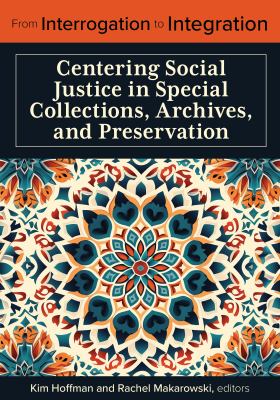
From interrogation to integration : centering social justice in special collections, archives, and preservation
Kim Hoffman and Rachel Makarowski, Rachel, editors.
Z711.7 .F75 2025
Examines how librarians, archivists, and library workers are advancing inclusive and anti‑racist practices in teaching, collections, and community engagement. Through case studies and practical approaches across research, description, preservation, outreach, and instruction, it showcases methods to better serve students of color and amplify marginalized voices. The book underscores the vital role of libraries and archives in fostering equity and social justice in today’s climate.
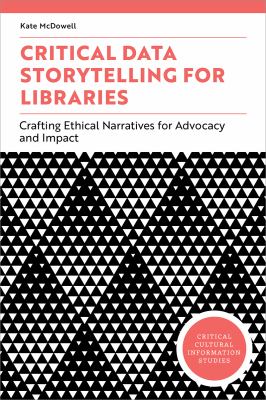
Critical data storytelling for libraries : crafting ethical narratives for advocacy and impact
Kate McDowell
Z669.8 .M38 2025
Explores how libraries can transform raw data into compelling, ethical narratives that resonate with diverse audiences. By examining storytelling techniques, audience dynamics, and strategies to counter misinformation, it equips librarians with practical tools to communicate insights effectively. Ultimately, it positions data storytelling as both a professional skill and a critical practice for fostering trust and understanding.
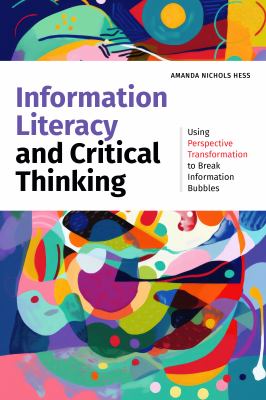
Information literacy and critical thinking : using perspective transformation to break information bubbles
Amanda Nichols Hess
ZA3088.5.C65 H48 2025
Examines how critical librarianship and transformative learning theory intersect to reshape information literacy in higher education. By guiding readers through Mezirow’s ten phases of perspective transformation, it highlights reflection, action, and breaking information bubbles as essential skills for navigating today’s complex information environment. Through theory, practical scenarios, and opportunities for self-examination, it equips academic librarians to foster meaningful change in learners’ thinking and practices.
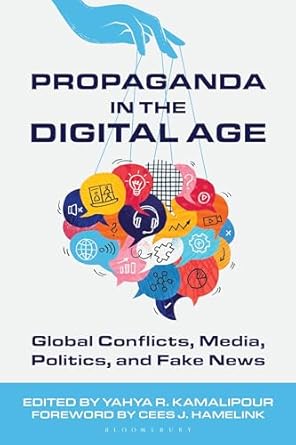
Propaganda in the Digital Age: Global Conflicts, Media, Politics, and Fake News
Yahya R Kamalipour, editor.
HM1231 .P73 2026
Examines how propaganda, misinformation, and disinformation shape global communication in times of conflict. The book highlights the cultural, political, and human consequences of media coverage across interconnected societies, offering a wide-ranging analysis of war, information flows, and their impact on international relations. It stands as a valuable resource for understanding the evolving role of media in shaping perceptions and power in the digital era.
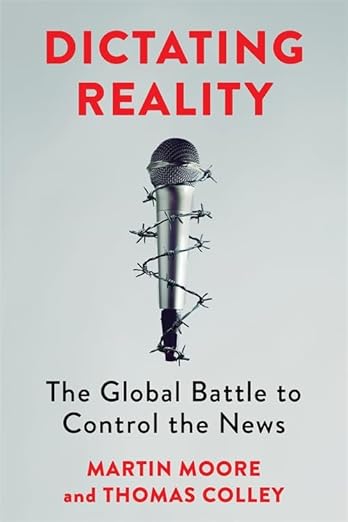
Dictating reality: the global battle to control the news
Martin Moore and Thomas Colley
PN4751 .M66 2025
Investigates how governments across the globe increasingly manipulate news to consolidate power. Through case studies and vivid examples, the authors reveal how leaders use media not as a check on authority but as a tool to construct alternative realities, suppress scrutiny, and entrench political narratives. It offers a critical lens on the global rise of authoritarian media practices and their profound implications for democracy.
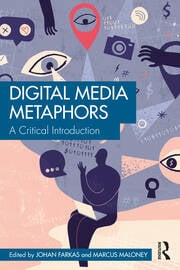
Digital media metaphors : a critical introduction
Johan Farkas and Marcus Maloney, editors.
HM851 .D5398 2025
Investigates the metaphors that shape how we understand digital technologies, from “clouds” and “platforms” to “rabbit holes” and “trolls.” By analyzing these figures of speech across infrastructures, content, and users, it reveals both their explanatory power and their potential to obscure critical consequences. The collection offers students and scholars a nuanced lens on the social, political, and environmental dimensions of digital media.
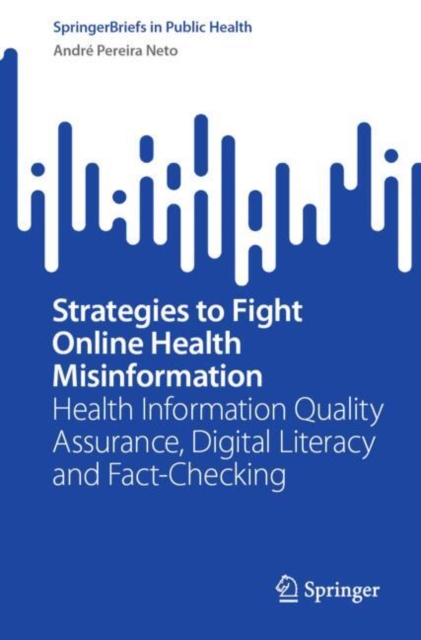
Strategies to fight online health misinformation
André Pereira Neto
R859.7 .I58 2025
Serves as a practical guide to combating online health misinformation by introducing three key strategies: health information quality assurance, digital literacy, and fact-checking. It emphasizes the importance of reliable, accessible, and scientifically sound health information for promoting well-being, while warning of the dangers posed by inaccurate or misleading content. Aimed at health professionals, service managers, and users, it highlights how institutions, educators, and journalists can work together to ensure trustworthy communication in today’s overwhelming digital information environment.